Designs for Living
Your Destination. Your Lifestyle. Your Legacy.
PERSONALIZED SPACES
We Design Your Home to Boast Unique Details No One Else Has
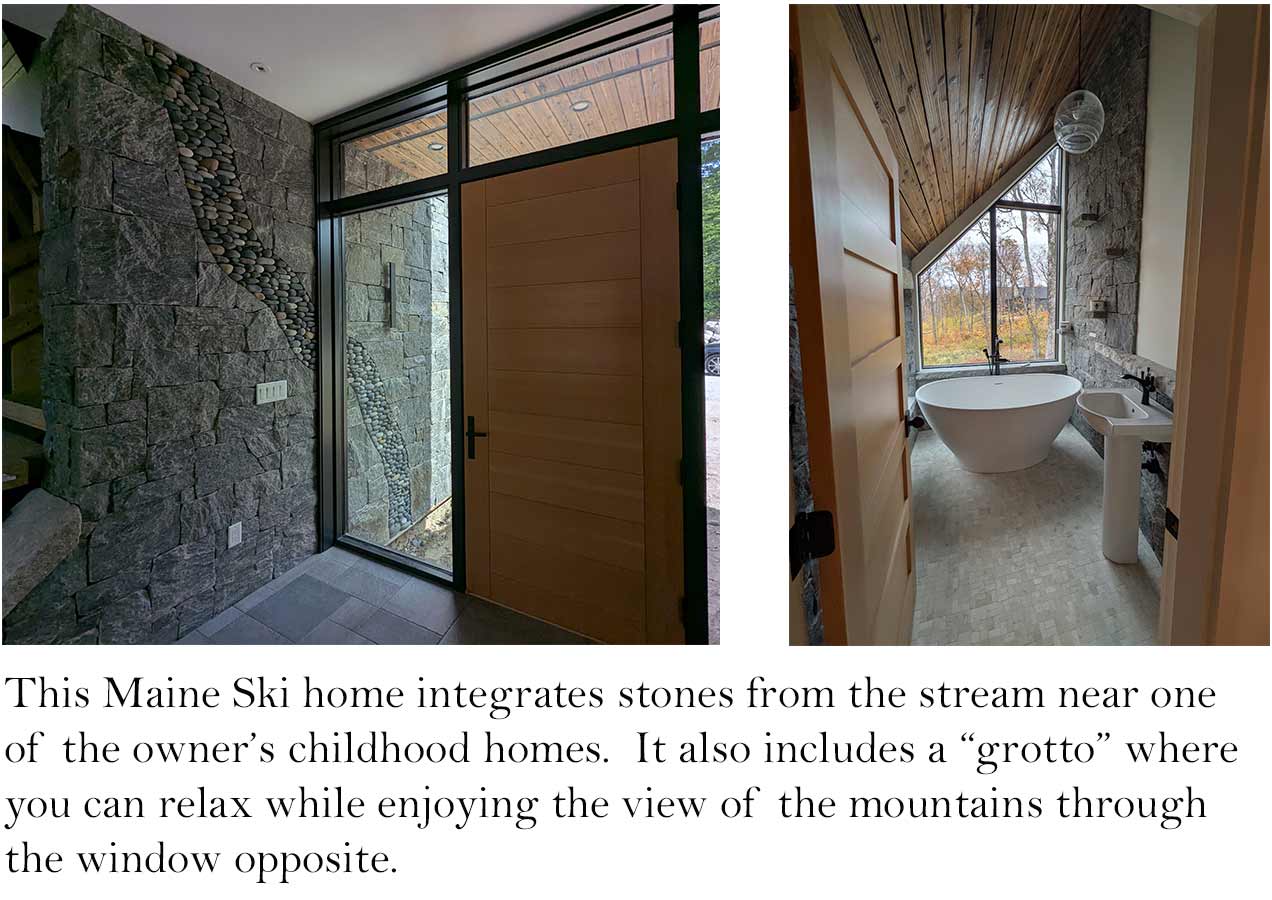
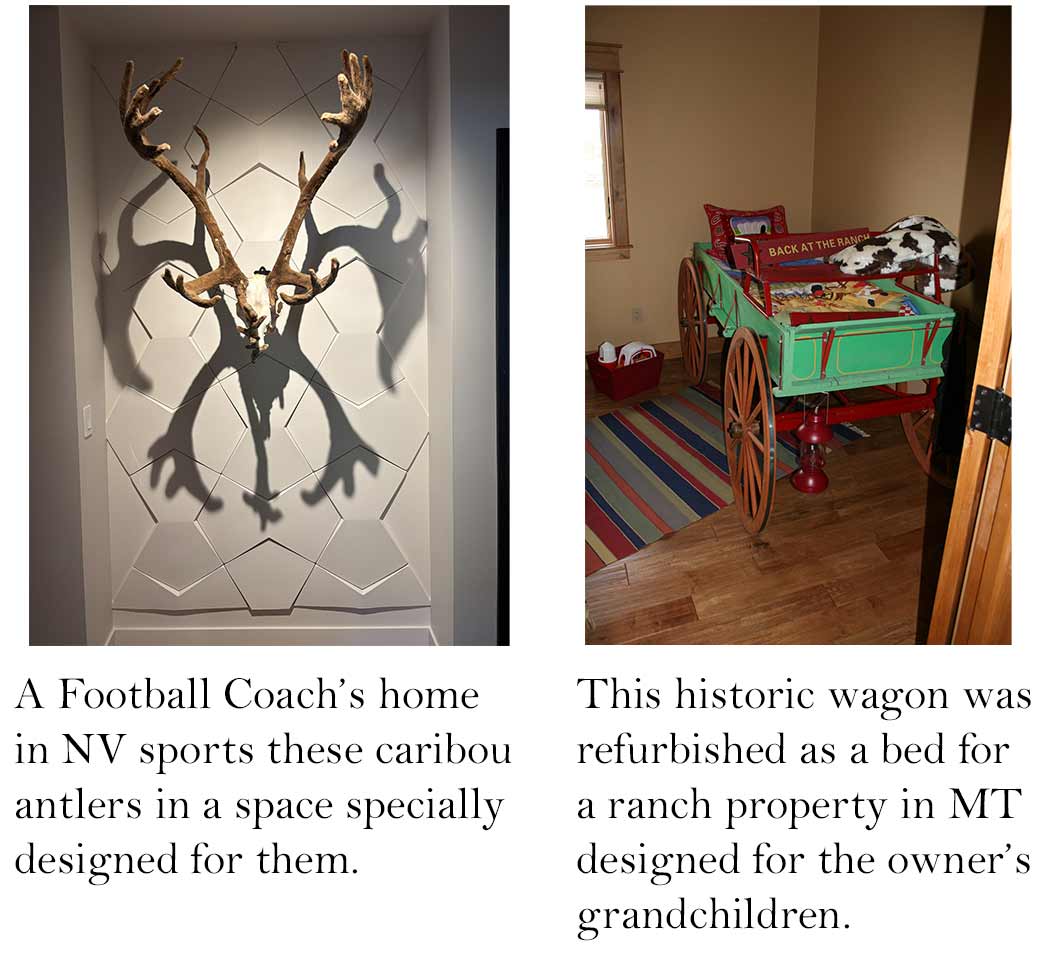
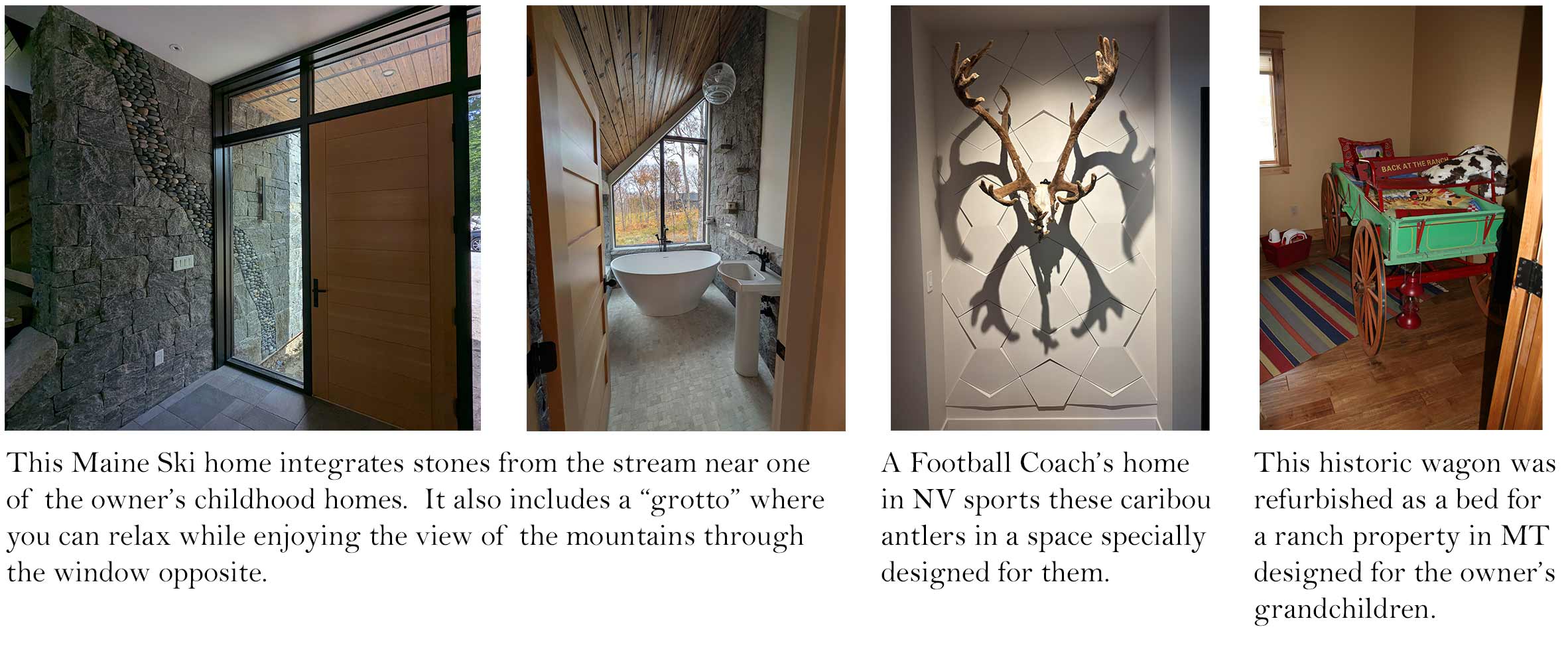
We Design Homes That Tell Your Story
Memorial Gardens, Special Needs, Heritage Furniture, Specific Hobbies and Interests, Entertaining, Sports
Your Home Should Be So Much More Than Functional,
It Should Be Designed to Elevate Who You Are,
Your Interests, and the Memories You're Making
SUSTAINABILITY AND GREEN SYSTEMS
Sustainable architecture and green systems represent a holistic approach
to designing buildings that harmonize with the natural environment rather than depleting it.
Rammed Earth Walls were formed from the Earth taken from the site for this Montana home that we designed and built.
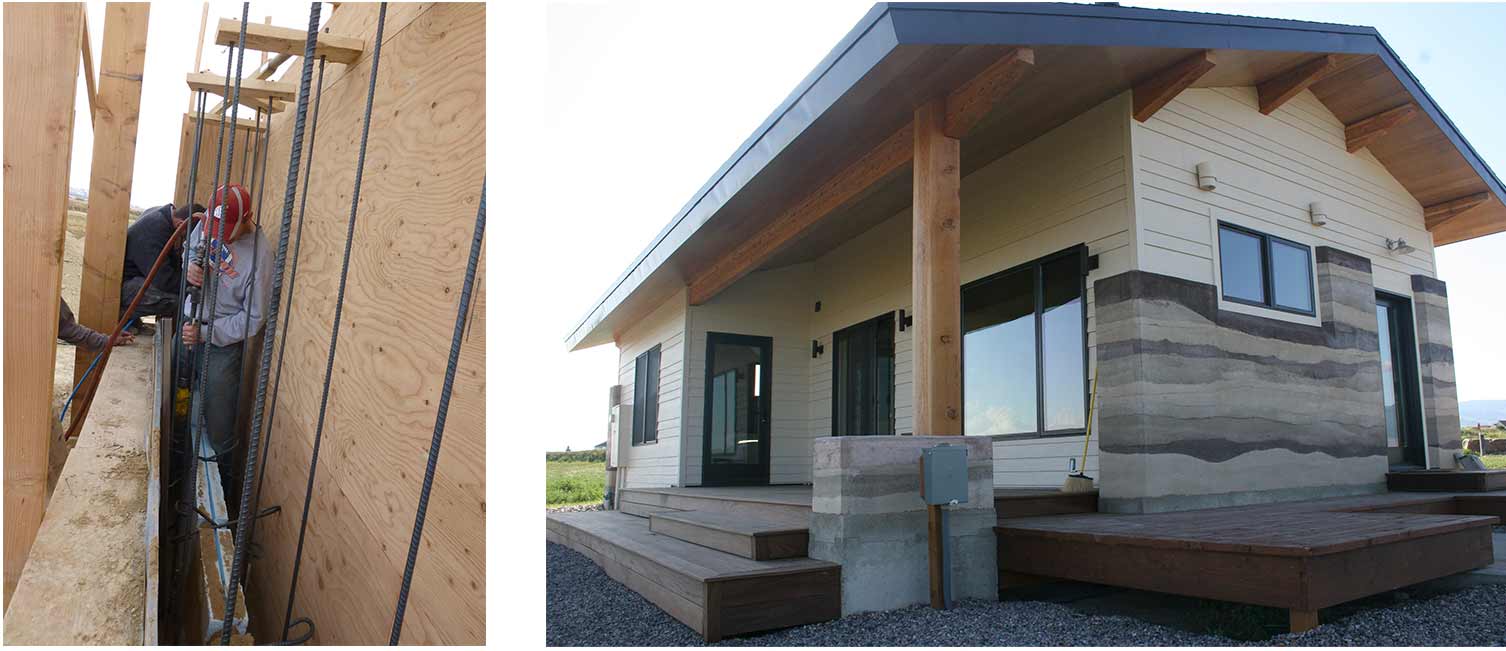
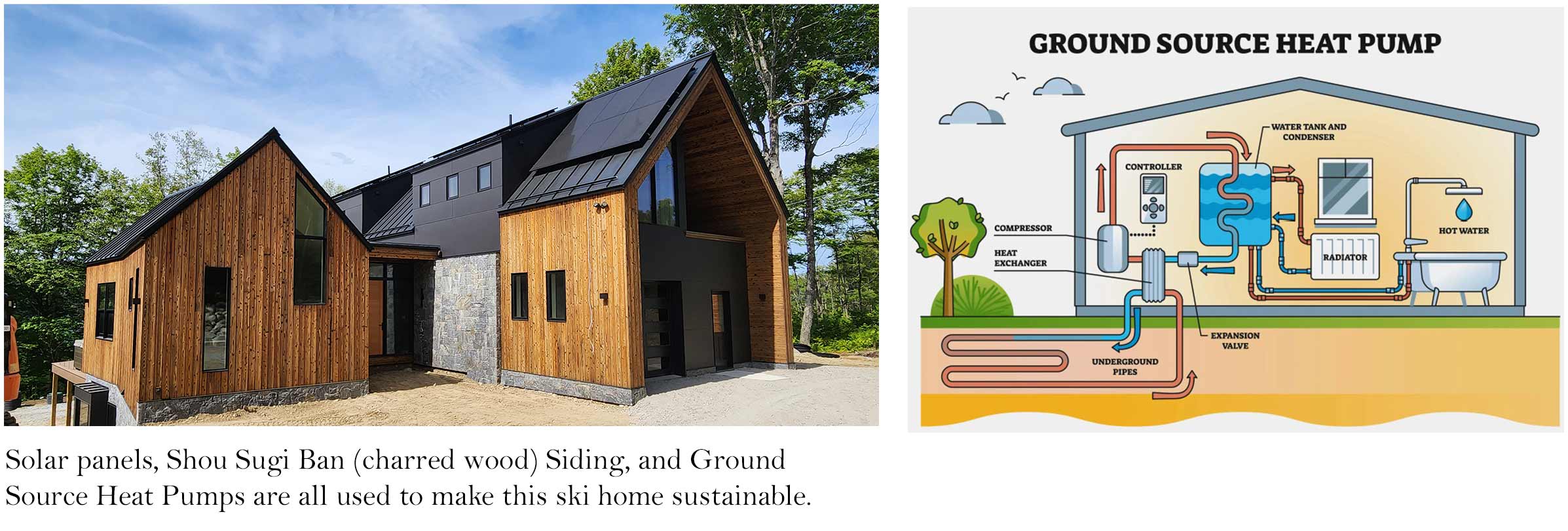
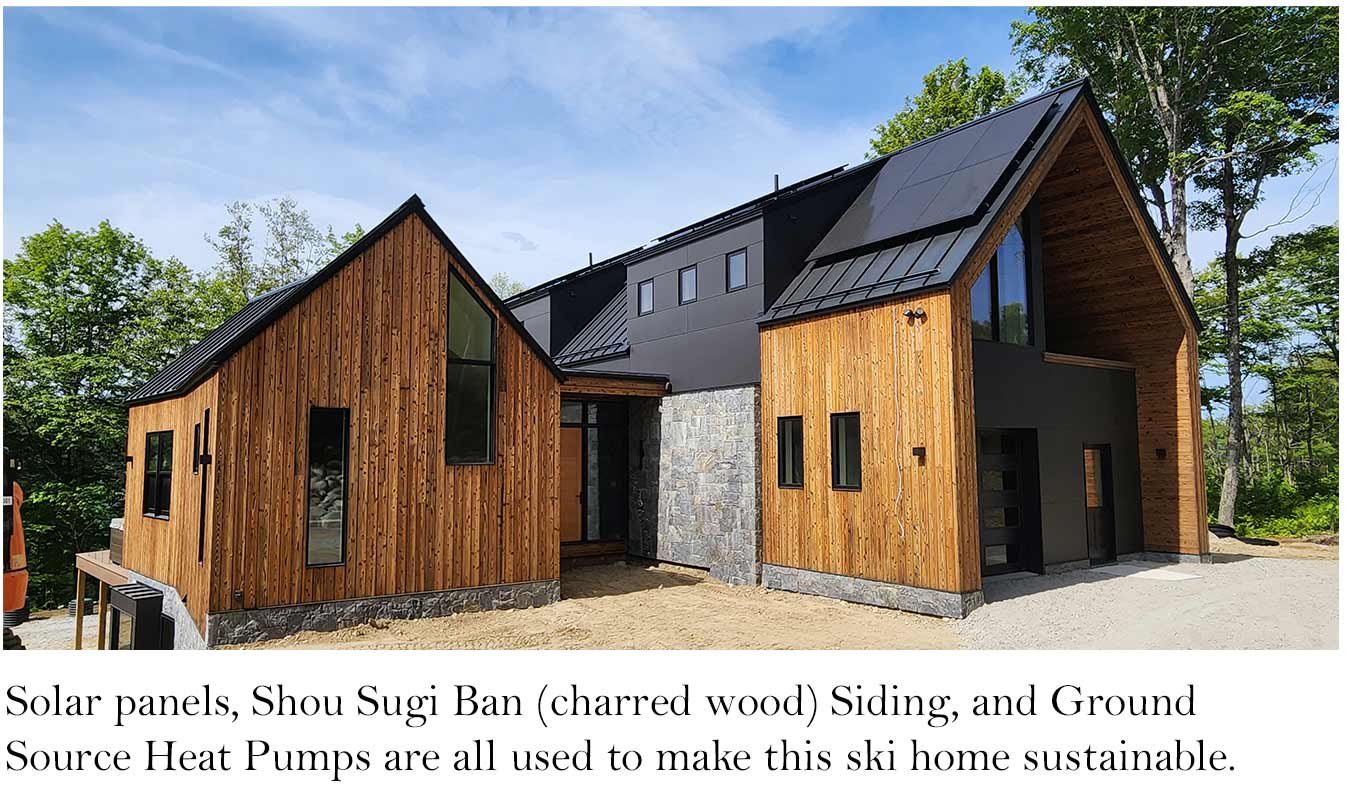

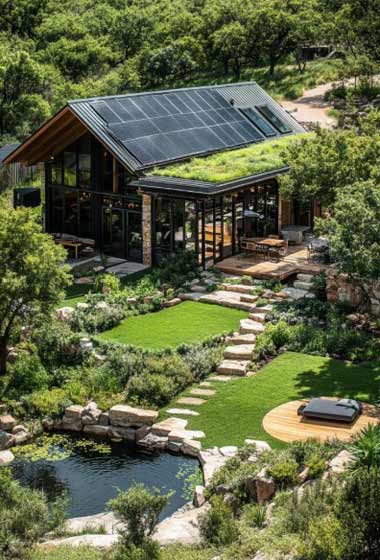
By focusing on energy efficiency, resource conservation, and occupant well-being throughout a building's lifecycle, Sustainable Architecture and Green Systems minimize negative ecological impacts and create healthier living spaces. These systems are essential to combat climate change, as conventional buildings account for nearly 40% of global carbon emissions. High-performance insulation, passive solar design that utilizes natural light and ventilation, green roofs that reduce heat island effects, renewable energy sources like solar panels and geothermal heat pumps, and rainwater harvesting systems all help to lesson our carbon footprint.
NEURO-INCLUSIVE DESIGN
Creating Homes, Offices, and Pubic Spaces Designed for Neurodiversity
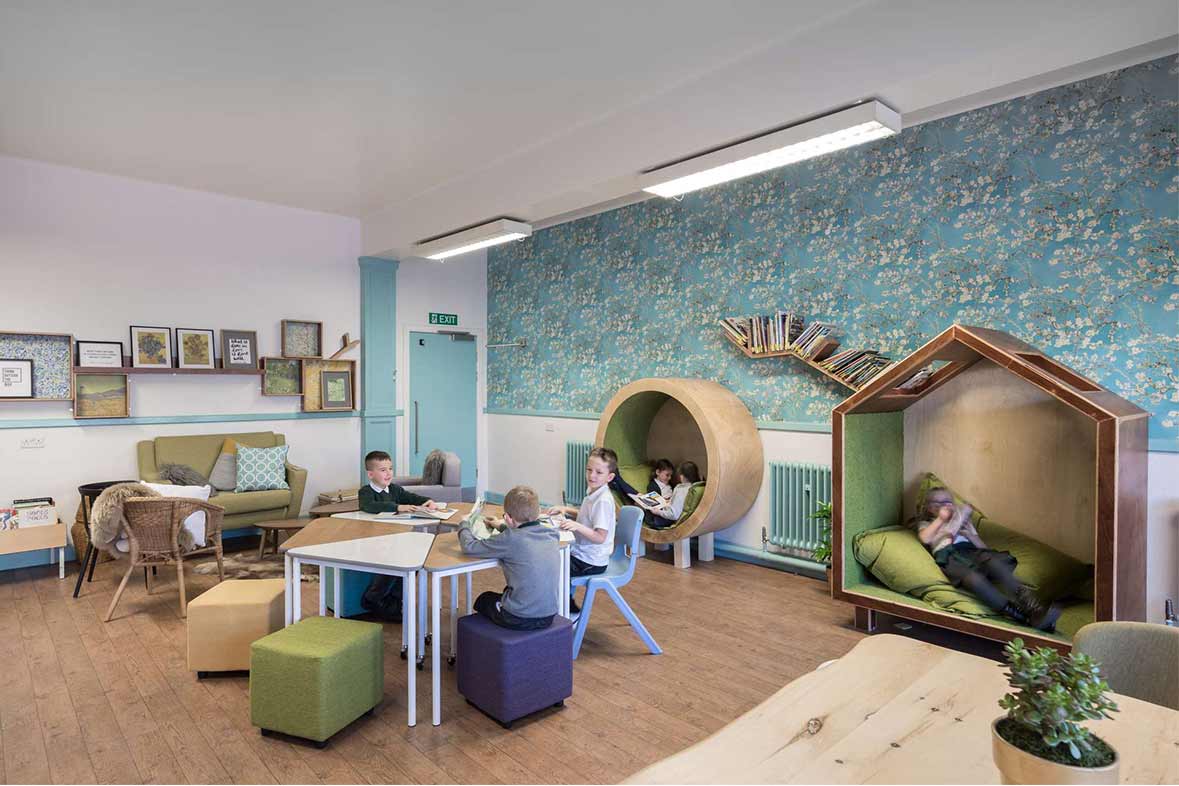
Neuro-inclusive design is an empathetic, evidence-based architectural approach that creates environments tailored to diverse cognitive, sensory, and neurological needs. Rather than adhering to a "one-size-fits-all" standard, these spaces prioritize sensory wellness—reducing visual and auditory overstimulation—through thoughtful material choices, calming, muted color palettes, and intuitive, and clear layouts.
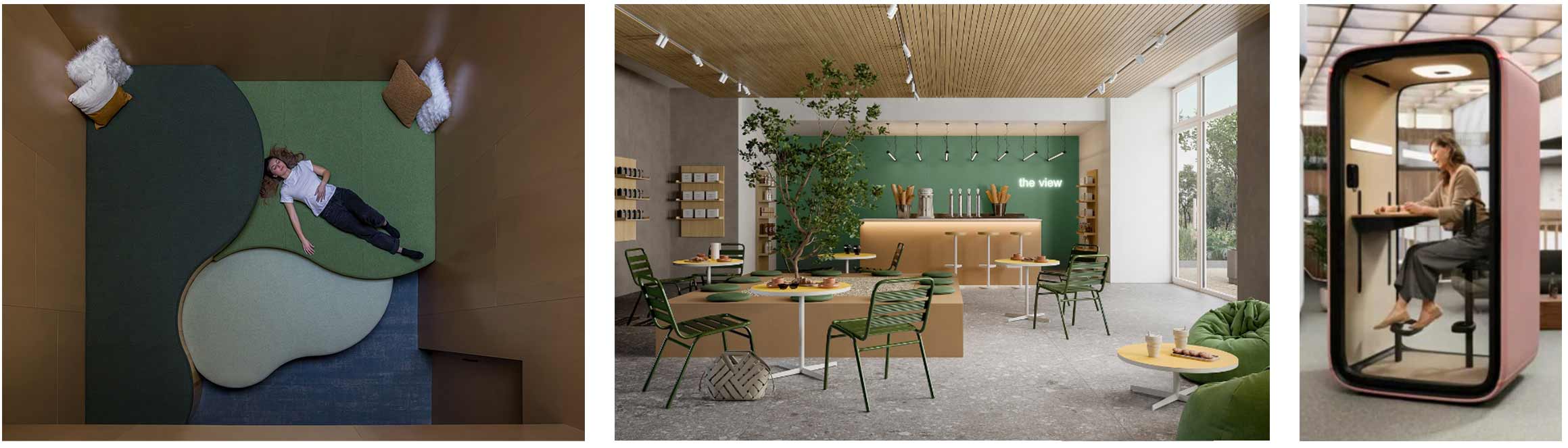
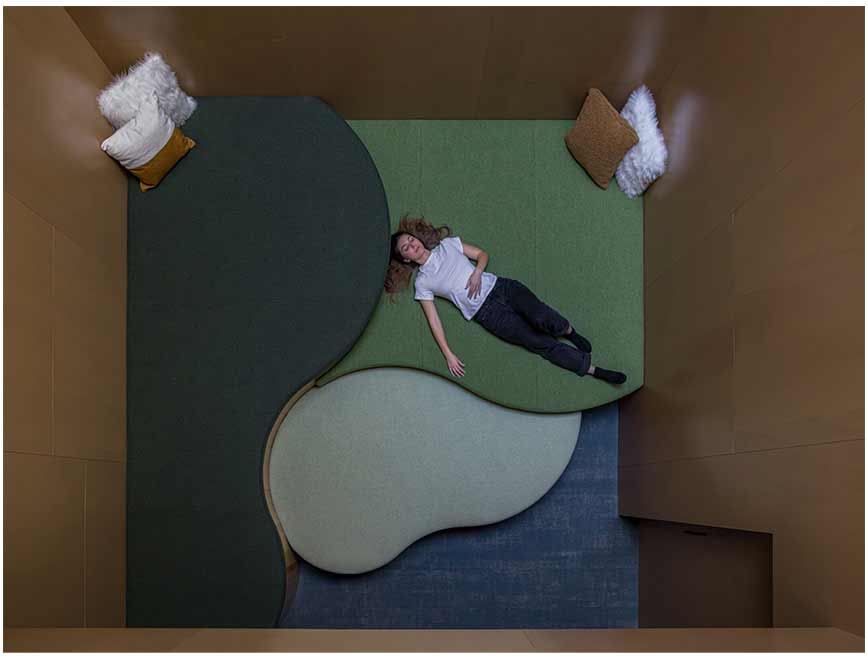
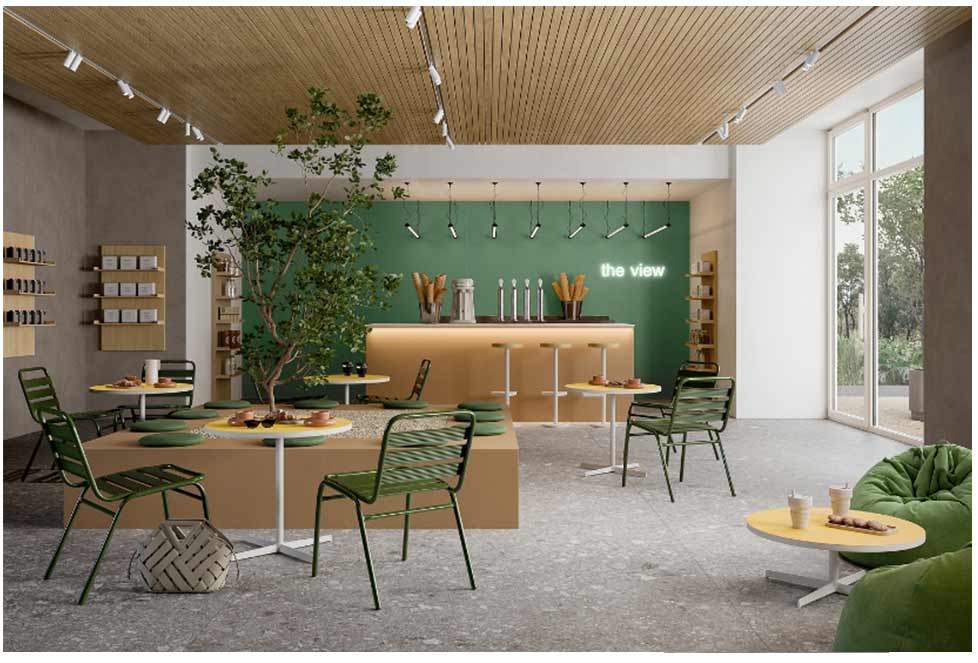
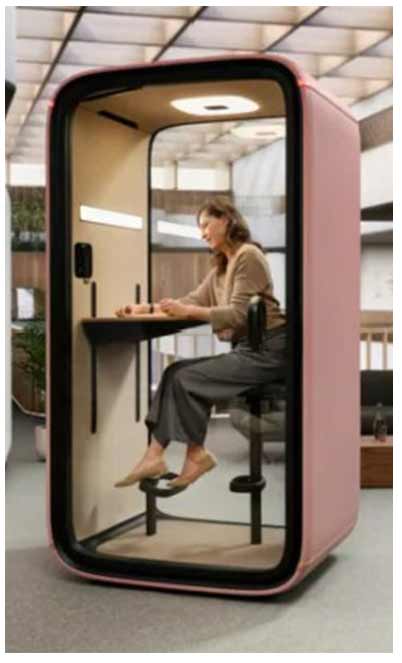
Such design is crucial because traditional environments often provoke stress and anxiety for neurodivergent individuals, whereas thoughtful design reduces sensory fatigue, increases focus, and boosts overall wellbeing. Examples include the installation of designated quiet zones or "recharge" rooms, adjustable lighting systems that avoid harsh glare, sound-absorbing materials (like carpet or acoustic panels), and the use of flexible furniture that allows for movement or sensory-seeking behavior. By promoting autonomy and offering a choice in how users experience a space, we create inclusive, supportive, and truly human-centered spaces.
Truly Human-Centered Spaces
BIOPHILIC DESIGN
Integrating Natural Elements, Lighting, and Materials for Well-Being
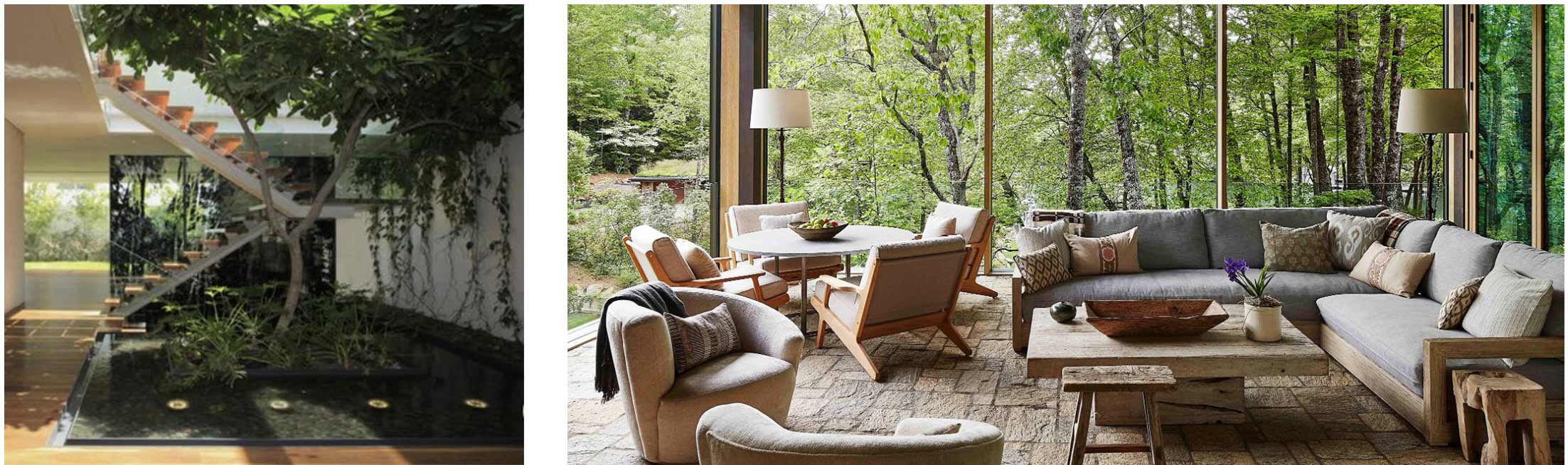
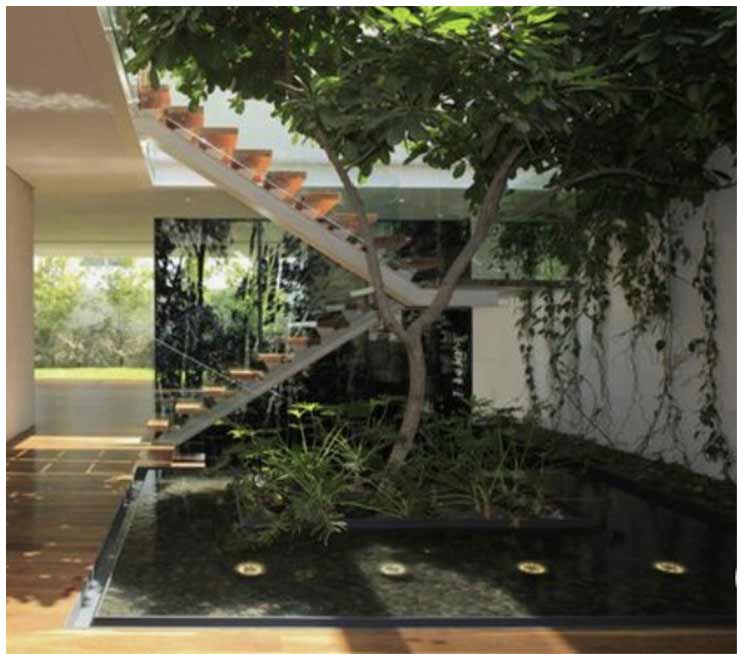
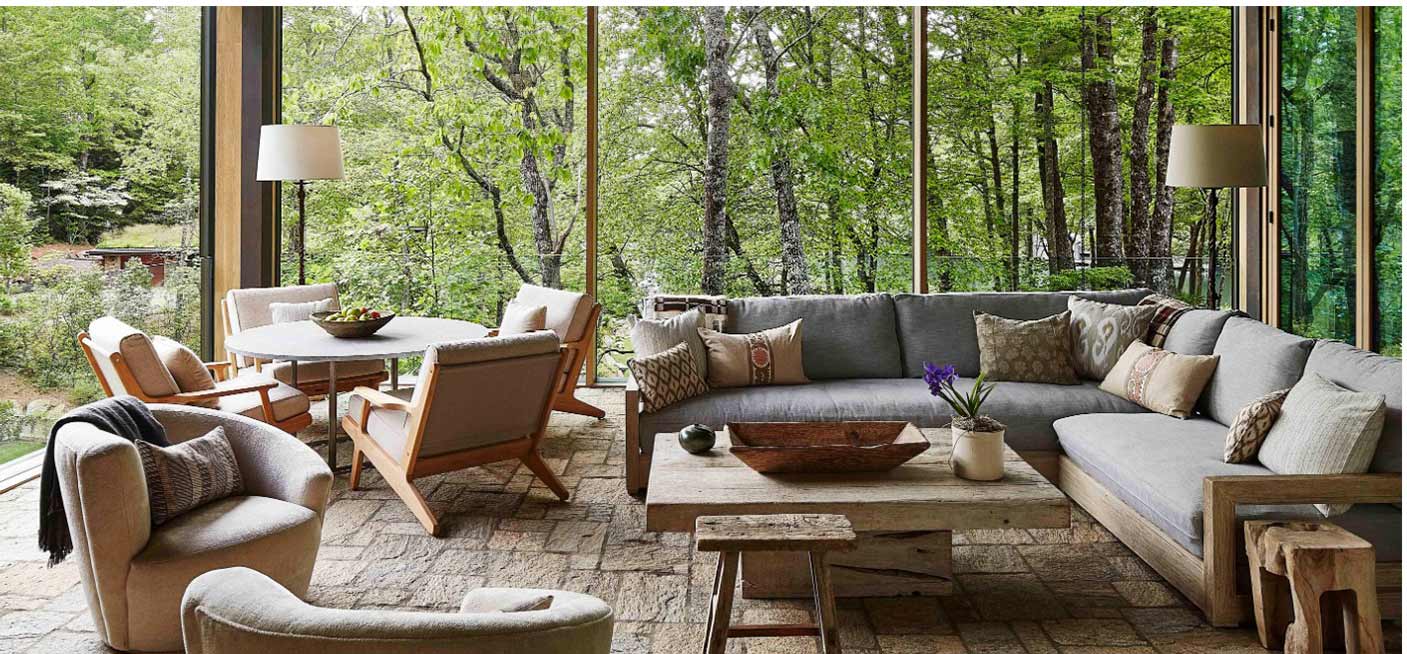
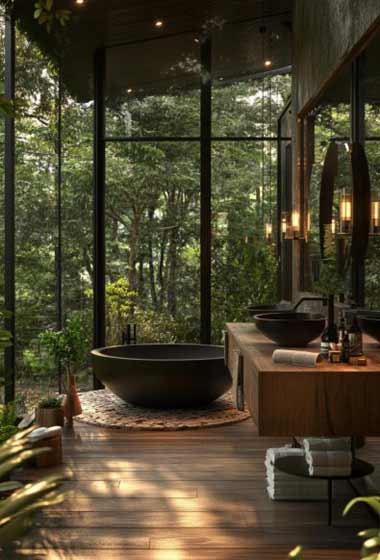
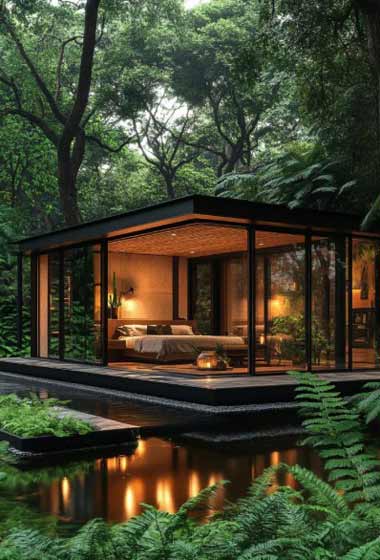
Essential for modern architecture, Biophilic Desing enhances occupant well-being by reducing stress, boosting productivity, and improving air quality by installing living walls, maximizing natural daylight, using natural textures like wood and stone, and incorporating calming water features.
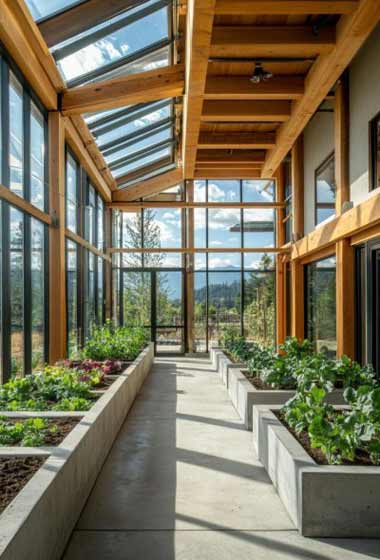
A Home That Feels Like Home
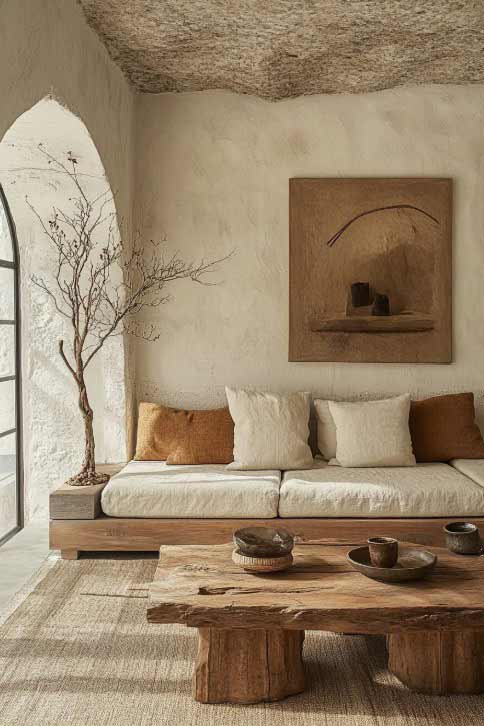
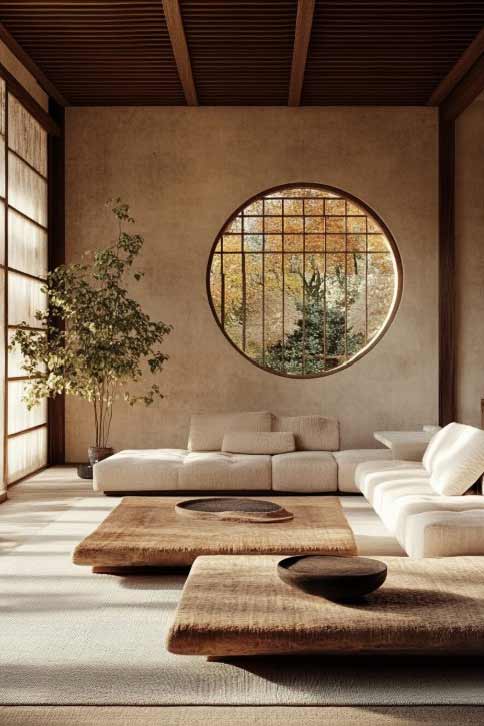
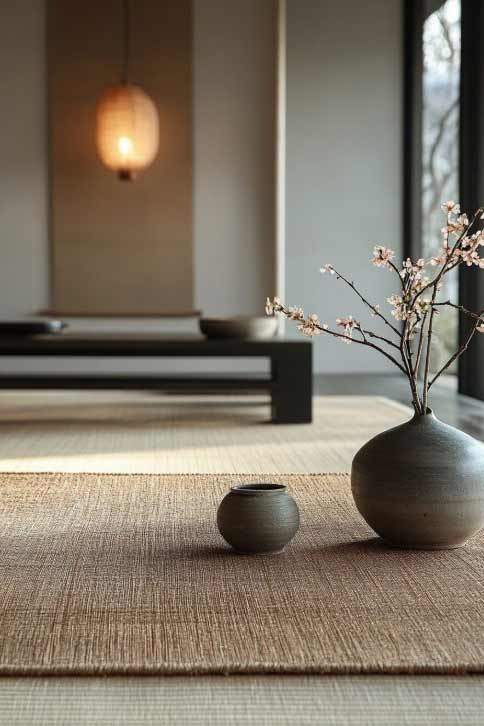
SCANDINAVIAN AND JAPANDI DESIGN
A harmonious, minimalist approach prioritizing functional beauty, sustainable materials, and serene, nature-inspired spaces
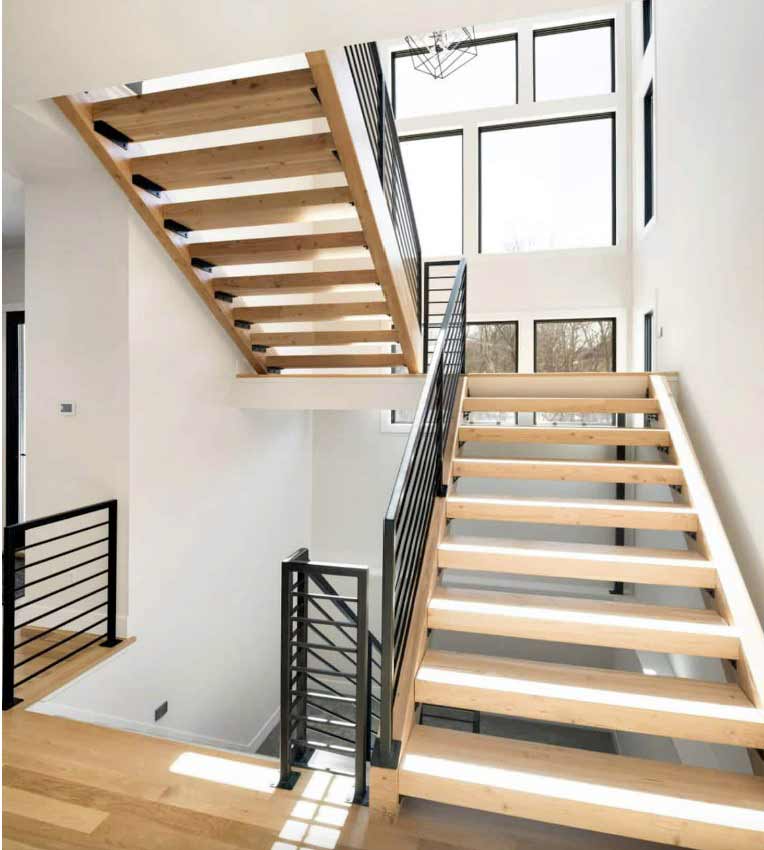
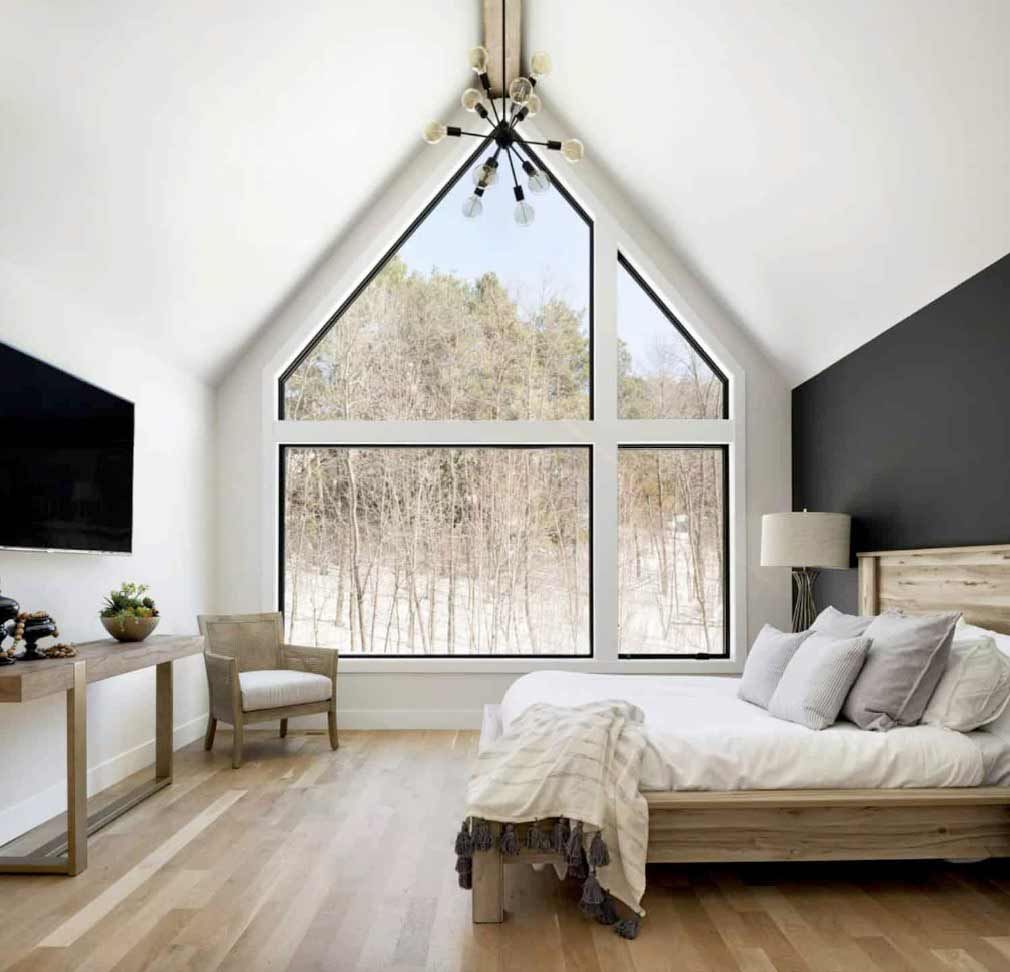
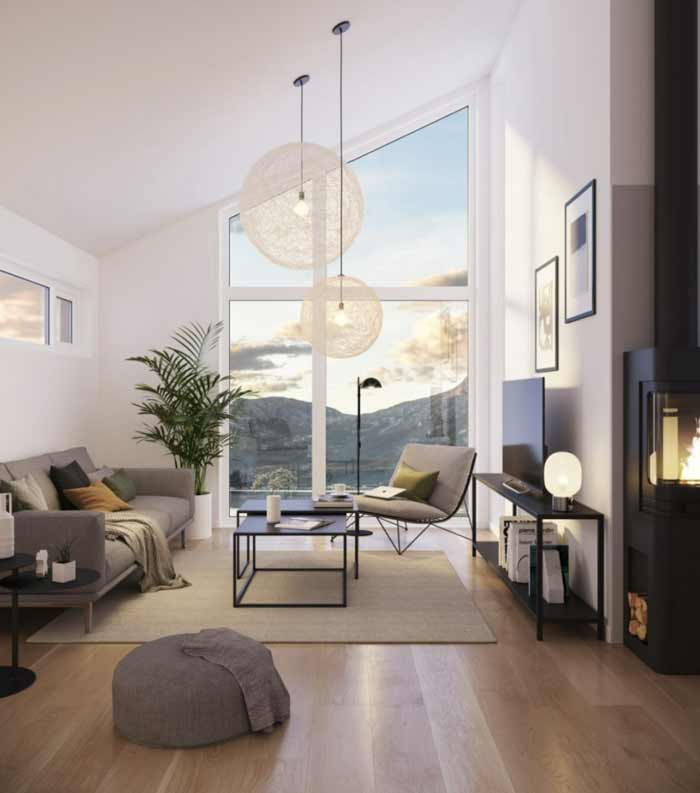
Combining Nordic warmth (hygge) with Japanese rustic simplicity (wabi-sabi), these styles are essential for modern living, reducing clutter to create calming, intentional environments with open-plan living, light-toned woods, low-profile furniture, textured neutral textiles, and minimalist decor.