

“We couldn't be happier on how great it's been to work with Kreg and Danielle. They have made our residential conversion project go very smooth and have brought different aspects to the project that other firms lack! They are a great team and looking forward to doing more projects with them!”
Derek Lawton, Developer
Residential Design Process
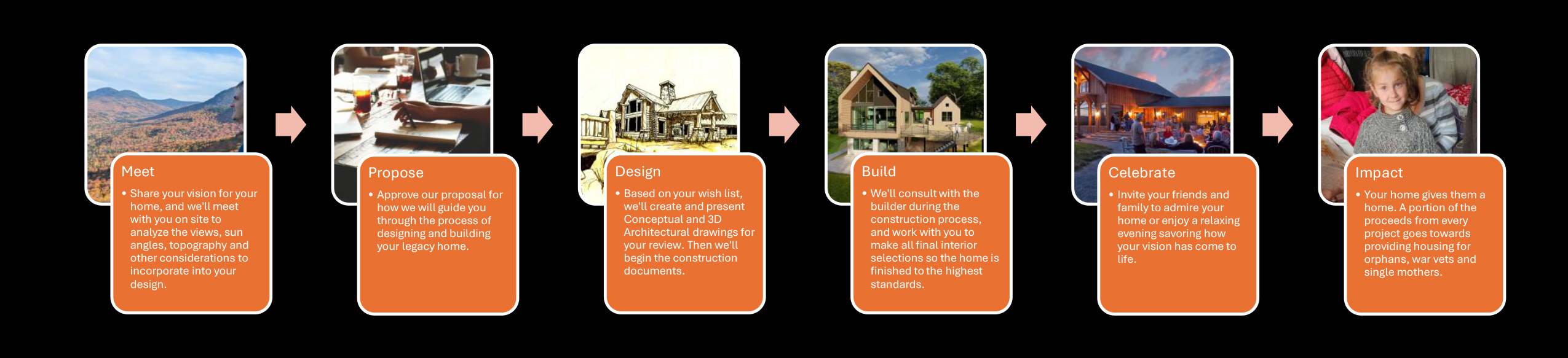
Residential Design Process


PROJECT SCOPE
We begin by defining the project scope by outlining the owner’s needs, desires, aesthetic goals, and budgetary parameters. Through candid discussions, site visits, and, potentially, other home tours, we establish a written project scope—a roadmap for the project—that aligns the team’s vision before design commences.
CONCEPTUAL DESIGN
Translating the written program into visual concepts, this phase establishes the preliminary layout, building form, and site orientation. We produce sketches, site plans, along with conceptual floor plans and elevations to communicate the project's direction. This phase concludes when a conceptual design is approved by the client.
DESIGN DEVELOPMENT
We refine the approved concept design, advancing the drawings into detailed layouts, sections, and preliminary construction details. During this phase, we develop materials, building systems, and structural concepts to complement the design, bringing the project to a higher level of definition.
CONSTRUCTION DOCUMENTS
Following Design Development approval, we produce a comprehensive set of detailed drawings and specifications required for building permits, bidding, and construction. This phase involves intensive coordination with structural engineers, interior designers, and other consultants to ensure technical accuracy and integration.
BIDDING & NEGOTIATING
As the Construction Documents are finalized, we assist the client in finding a qualified General Contractor. We can help with negotiating the construction contract, facilitating competitive bidding, or working with a selected contractor to ensure the project budget is accurately reflected.

We Design Residential Properties
Worthy of an Inscription --
Destination Homes, Luxe Resorts,
and Multifamily Communities
Tailored to a Client’s Property,
Desired Amenities, and Vision.
Commercial Design Process
Commercial Design Process
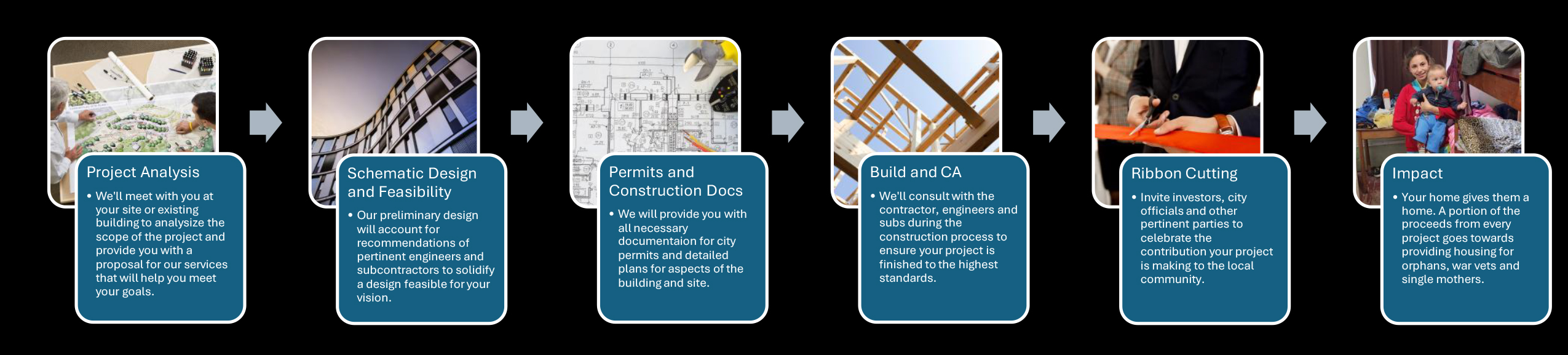
PROJECT ANALYSIS
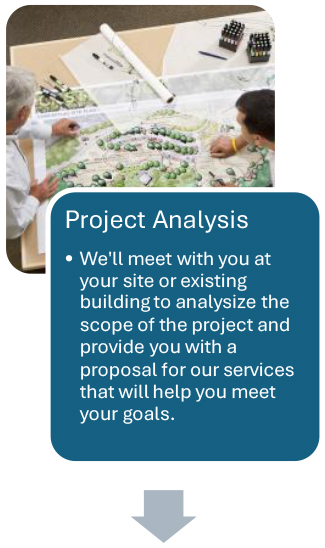
Inscription Architects and all major stakeholders will evaluate the key factors that influence the design and feasibility of the development. During this stage, our design team studies the site conditions, zoning regulations, environmental constraints, client goals, budget, and schedule requirements. They may also analyze surrounding infrastructure, traffic patterns, utilities, and market needs to ensure the project is viable and aligned with the client’s objectives. The insights gathered during project analysis help guide early design decisions, reduce risks, and establish a clear foundation for the subsequent planning and design phases.
SCHEMATIC DESIGN
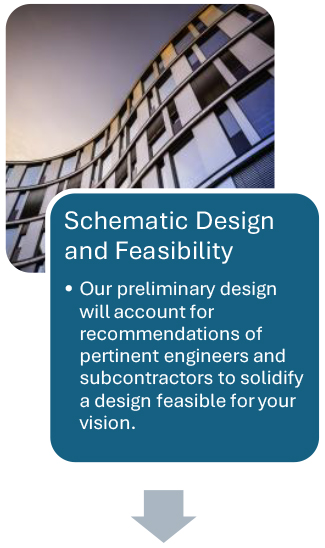
During this phase, Inscription Architects will create initial layouts, massing studies, and conceptual drawings that illustrate the building’s overall form, spatial organization, and relationship to the site. The design team also reviews zoning compliance, building codes, construction costs, and technical constraints to confirm the project’s viability. This stage allows the client and design team to explore options, refine the project vision, and establish a clear direction before moving into more detailed design development.
DESIGN DEVELOPMENT
During this phase, Inscription Architects works closely with engineers and consultants to develop the building’s systems, materials, and key architectural elements. Floor plans, elevations, and sections are further defined, and decisions about structural systems, mechanical systems, and major finishes and interior design choices are made. This stage ensures that the design is technically feasible, aligned with the project budget, and ready to be translated into detailed construction documents.
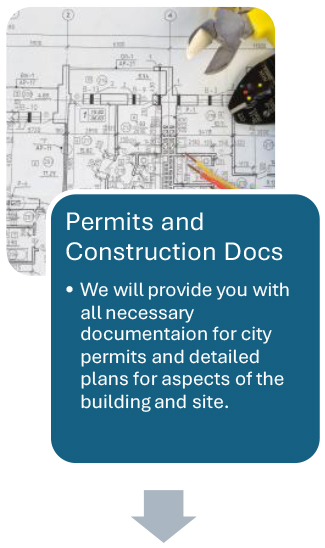
PERMITS AND CONSTRUCTION DOCUMENTS
Our focus at Inscription Architects during this stage is on preparing detailed drawings and technical specifications that communicate exactly how the building will be constructed. During this phase, architects and engineers finalize plans, sections, elevations, and system details, including structural, mechanical, electrical, and plumbing components. These documents are submitted to local authorities to obtain the necessary building permits and regulatory approvals. The completed construction documents also serve as the primary reference for contractors during bidding and construction, ensuring the project is built according to the approved design, codes, and standards.
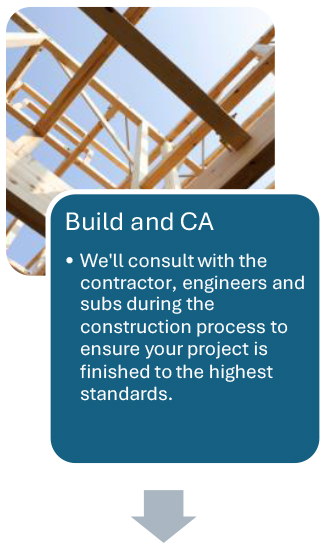
BUILD AND CONSTRUCTION ADMINISTRATION
The built design is commenced, and we support the process to make ensure it aligns with the approved plans and specifications. During this phase, the contractor carries out the building work while we review shop drawings, respond to requests for information (RFIs), conduct site visits, and help resolve issues that arise during construction. Inscription Architects also monitors progress and quality to confirm that the project is being built according to the design intent, contract documents, and applicable codes, helping guide the project through completion. We also review and sign pay applications submitted by the contractor and needed by banks and lending institutions.
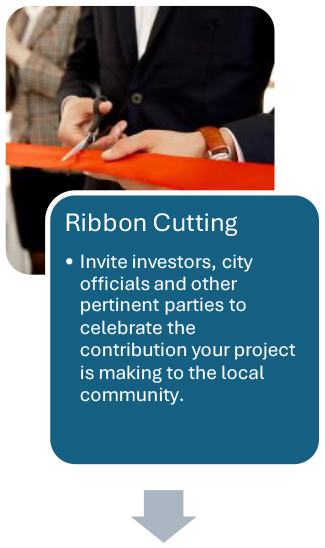
RIBBON CUTTING
Congratulations! The Ribbon Cutting marks the official completion and opening of a commercial architecture project. At this point, construction has been finalized, inspections have been completed, and the building is ready for occupancy and use. The ribbon cutting event typically involves the client, project team, local officials, and community members celebrating the successful delivery of the project. This stage symbolizes the transition from construction to operation, highlighting the building’s role in serving its community.
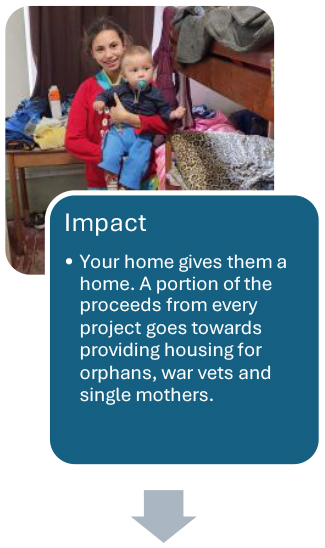
IMPACT
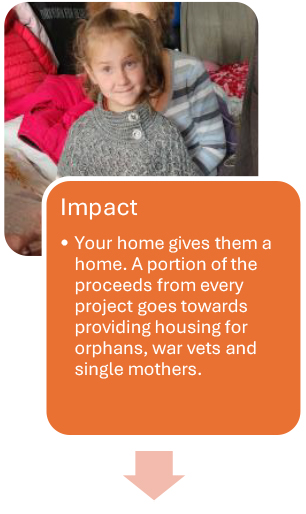
Your Home Gives Them a Home.
The final impact of your project is two-fold: First, Inscription Architects donates a portion of all of its proceeds to help orphans, the poor, and war vets to have a home of their own. Second, the impact of a commercial architecture project occurs after the building has been occupied and begins to influence its users and the surrounding community. During this stage, the success of the project is measured through factors such as building performance, user satisfaction, economic contribution, and environmental impact. The project may support local business growth, improve community infrastructure, and demonstrate the effectiveness of the design decisions made throughout the process.